
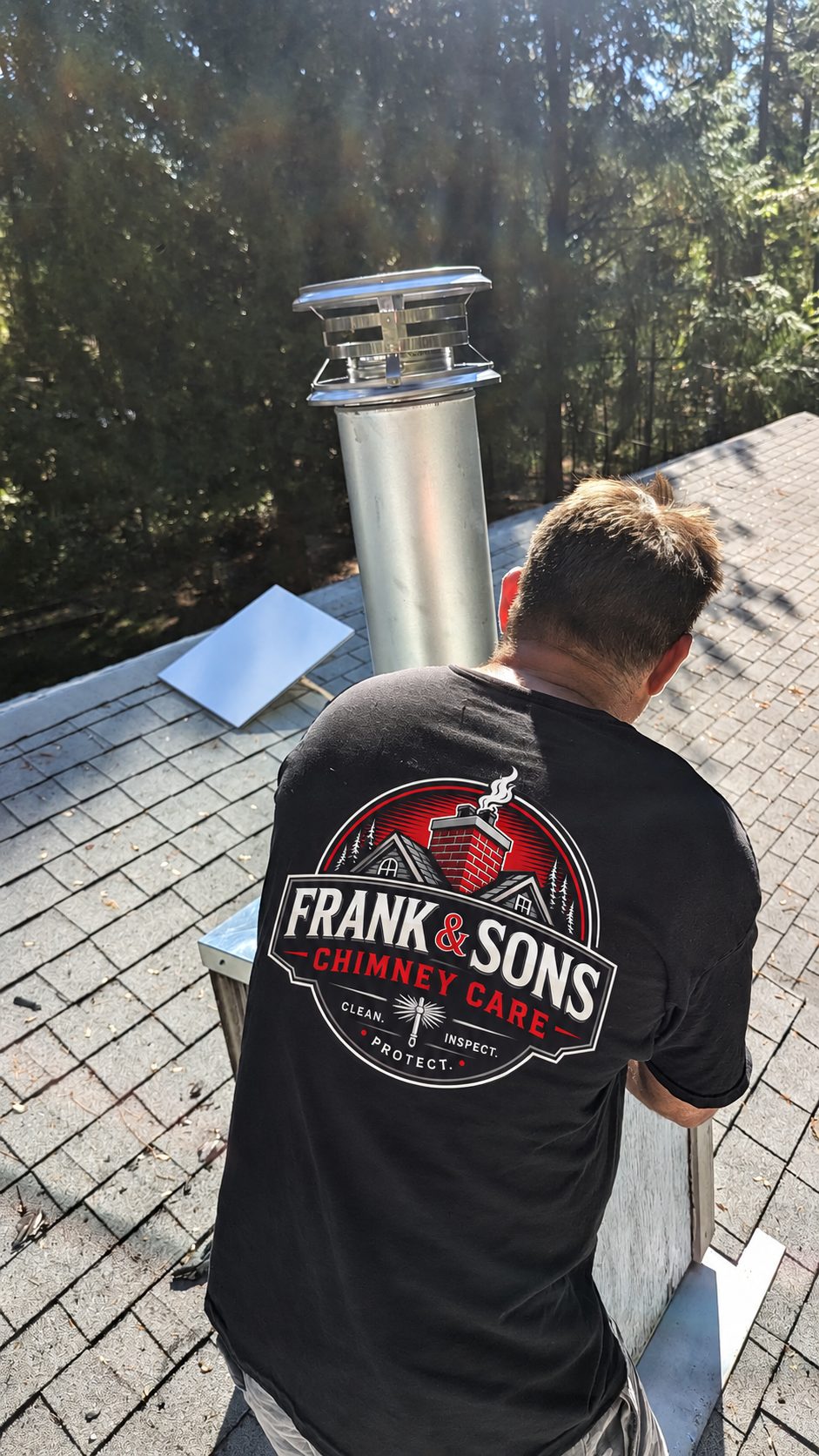
Clay tile has been used in many masonry chimneys, while stainless steel liners are common in repair and retrofit applications. Neither material should be chosen only because it sounds newer or more traditional.
For homeowners in Pittsburgh and surrounding communities, chimney care has an added local dimension. Masonry sits above the roof where it is exposed to rain, snow, wind, and repeated temperature changes. Older homes may also contain fireplaces or flues that have been modified over decades. That combination makes it especially important to diagnose the system in front of you instead of relying on a one-size-fits-all rule.
Existing chimney geometry matters
Existing chimney geometry matters is worth understanding because chimney problems are usually connected rather than isolated. A useful evaluation looks at the whole path—from the fireplace or appliance, through the flue, to the masonry and weather-exposed top of the chimney. For Pittsburgh-area homes, moisture and seasonal temperature changes can make a small defect more important over time. The goal is to identify the condition, explain the evidence, and choose a repair or maintenance step that matches what is actually happening.
Appliance type and fuel matter
Appliance type and fuel matter is worth understanding because chimney problems are usually connected rather than isolated. A useful evaluation looks at the whole path—from the fireplace or appliance, through the flue, to the masonry and weather-exposed top of the chimney. For Pittsburgh-area homes, moisture and seasonal temperature changes can make a small defect more important over time. The goal is to identify the condition, explain the evidence, and choose a repair or maintenance step that matches what is actually happening.
Installation details matter as much as material
Installation details matter as much as material is worth understanding because chimney problems are usually connected rather than isolated. A useful evaluation looks at the whole path—from the fireplace or appliance, through the flue, to the masonry and weather-exposed top of the chimney. For Pittsburgh-area homes, moisture and seasonal temperature changes can make a small defect more important over time. The goal is to identify the condition, explain the evidence, and choose a repair or maintenance step that matches what is actually happening.
A liner recommendation should include sizing and use
A liner recommendation should include sizing and use is worth understanding because chimney problems are usually connected rather than isolated. A useful evaluation looks at the whole path—from the fireplace or appliance, through the flue, to the masonry and weather-exposed top of the chimney. For Pittsburgh-area homes, moisture and seasonal temperature changes can make a small defect more important over time. The goal is to identify the condition, explain the evidence, and choose a repair or maintenance step that matches what is actually happening.
What Pittsburgh Homeowners Should Do
Start with what you can observe safely. Do not climb onto a steep or wet roof to inspect a chimney. From the ground and inside the home, note changes such as staining, odors, loose debris, damaged brick, mortar loss, rust, smoke entering the room, or water around the fireplace. If the fireplace has not been used recently, if you just bought the home, or if the history of the chimney is unclear, an inspection is a sensible first step before use.
At Frank & Sons Chimney Care, our approach is built around a principle Frank has emphasized since the company began in 1992: fairness first. The purpose of an inspection is to understand the condition and explain the options. A limited repair should not automatically become a rebuild, and a major concern should not be minimized when the evidence supports more substantial work.
When to Call for an Evaluation
Arrange an evaluation when you see visible deterioration, recurring water entry, smoke or draft problems, unusual odors, falling masonry, signs of animal activity, or when a fireplace has been unused for years. For active wood-burning systems, deposits and burning practices also matter. EPA homeowner guidance notes that creosote is combustible and can build more readily with restricted airflow, unseasoned wood, and cooler chimney conditions.
Related Frank & Sons Services
Request an Evaluation
If you are in Pittsburgh or the surrounding Greater Pittsburgh area and want help understanding your chimney or fireplace, contact Frank & Sons Chimney Care at 412-407-8749 or use the request form on this page.
Serving Bethel Park, Moon Township, Greensburg, and communities across Greater Pittsburgh. See all service areas →